
Retail has changed. Customers no longer think in terms of “online” or “in-store” – they simply shop with your brand.
They might discover a product on social media, check availability on your website, visit your shop to see it in person, and complete the purchase later from their phone. The question for independent retailers is:
Is your store truly connected – or are your sales channels operating separately?
At Datascan Retail Systems, we help retailers unify their operations through smarter retail technology, including solutions powered by Lightspeed. Here’s what omnichannel retail really means – and how to know if your store is keeping up.
What is Omnichannel Retail?
Omnichannel retail is the integration of all your sales channels into one connected system.
This includes:
- Physical store
- eCommerce website
- Click & collect
- Social media sales
- Customer loyalty programmes
- Email marketing
The key word is integration. It’s not enough to simply “have” an online store. True omnichannel means:
- One stock system
- One customer database
- One reporting dashboard
- One version of the truth
The Problem with Disconnected Systems
Many independent retailers still operate with:
- A standalone in-store EPOS
- A separate eCommerce platform
- Manual stock updates
- Isolated customer data
This creates:
❌ Overselling online
❌ Stock discrepancies
❌ Poor customer experience
❌ Time-consuming admin work
❌ Inaccurate reporting
Disconnected systems cost time, money, and customer trust.
What a Truly Connected Store Looks Like
A connected omnichannel retail setup should allow you to:
1. Sync Stock in Real Time
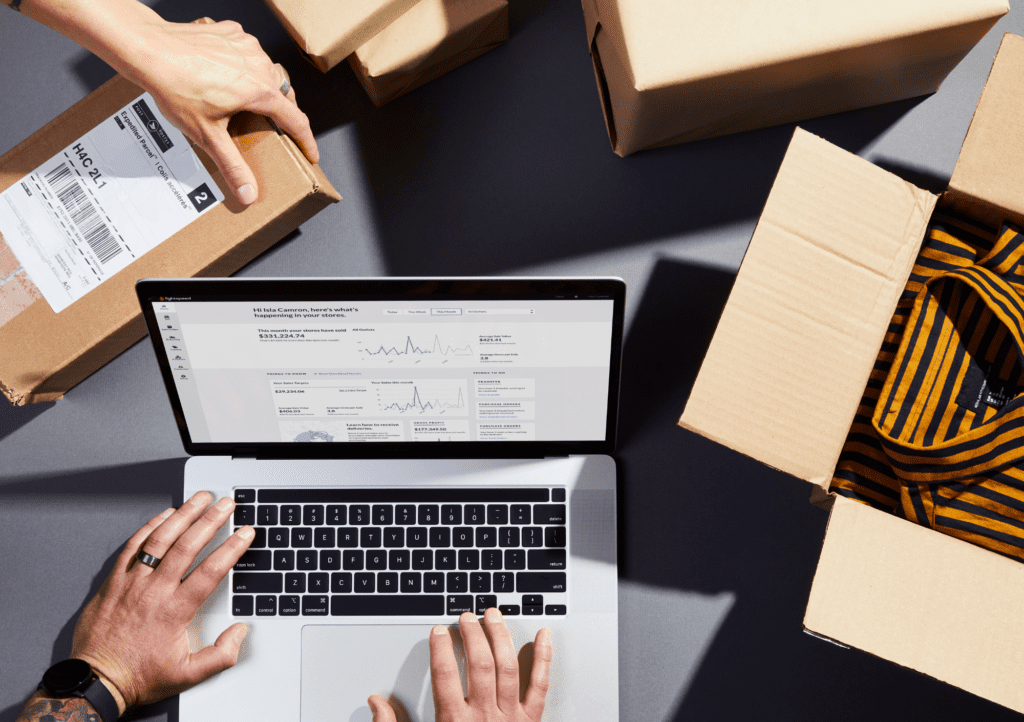
If a product sells in-store, online stock updates instantly – and vice versa. No manual adjustments. No guesswork.
2. Offer Click & Collect Seamlessly
Customers can:
- Check local availability
- Purchase online
- Collect in-store
- Return in-store
This improves convenience while increasing footfall.
3. View Unified Reporting
You should be able to see:
- Total sales across all channels
- Channel performance breakdown
- Profit margins
- Customer buying behaviour
All from one dashboard.
4. Build a Single Customer Profile
Modern cloud platforms such as Lightspeed Retail allow retailers to:
- Track customer purchase history
- Identify top spenders
- Run targeted promotions
- Launch loyalty schemes
Whether customers shop online or in-store, their data connects.
Why Omnichannel Matters More in 2026
Customer expectations have shifted. Today’s shoppers expect:
- Flexible fulfilment options
- Fast checkout
- Accurate stock information
- Personalised marketing
- Easy returns
Large retail chains have invested heavily in omnichannel strategies – but independent retailers now have access to the same technology, without enterprise-level complexity. The difference lies in implementation and support.
The Financial Benefits of Being Connected
Omnichannel retail isn’t just about convenience – it drives measurable growth. Retailers with connected systems often see:
- Increased average transaction value
- Higher customer retention
- Reduced stockholding errors
- Better cash flow control
- Stronger data-driven buying decisions
When your systems communicate, your business performs more efficiently.
Signs Your Store Is Not Fully Connected
Ask yourself:
- Do you manually adjust online stock?
- Are your in-store and online reports separate?
- Can customers see real-time store availability online?
- Do you have one unified customer database?
- Is reporting time-consuming or inconsistent?
If the answer to several of these is yes, your store may not be truly omnichannel.
How Datascan Retail Systems Can Help
Transitioning to an omnichannel model requires more than software – it requires planning and support. At Datascan Retail Systems, we:
- Assess your current systems
- Integrate EPOS with eCommerce
- Manage stock synchronisation
- Configure reporting dashboards
- Provide training and ongoing retail support
As a partner of Lightspeed, we help independent retailers implement scalable cloud-based solutions that unify their operations.
Final Thoughts
Omnichannel retail isn’t a trend – it’s the new standard. Customers no longer separate online and offline shopping. If your systems do, it creates friction. A truly connected store delivers:
- Better customer experiences
- Smarter operational control
- Accurate reporting
- Increased profitability
The question isn’t whether omnichannel is necessary – it’s whether your retail systems are ready.
