
Retail technology has evolved rapidly over the past decade. Many independent retailers are now asking the same question: Should we stick with a traditional EPOS system, or move to a cloud-based solution?
At Datascan, we support retailers through this exact decision every day. As a certified partner of Lightspeed, we’ve seen firsthand how cloud technology is transforming retail operations. Let’s break down the differences – and what they mean for your business.
What is a Traditional EPOS System?
A traditional EPOS (Electronic Point of Sale) system typically:
- Is installed locally on in-store computers
- Stores data on a physical server or back-office PC
- Requires manual updates
- Can only be accessed on-site
For many years, this was the standard setup. While these systems can still process sales effectively, they often come with limitations in flexibility and scalability.
What is a Cloud-Based EPOS System?
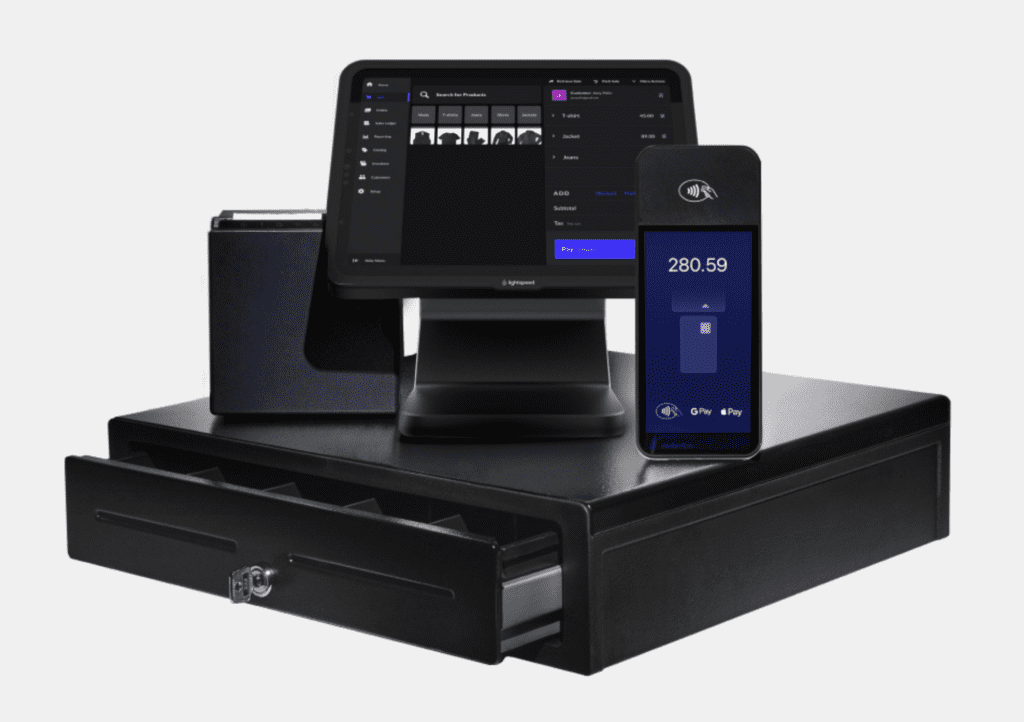
A cloud-based EPOS system stores your data securely online, allowing you to access your retail information from anywhere with an internet connection.
Modern platforms such as Lightspeed Retail provide:
- Real-time sales reporting
- Remote access from mobile or laptop
- Automatic software updates
- Integrated eCommerce capabilities
- Secure cloud data storage
This flexibility has become a major advantage for independent retailers.
Key Differences: Cloud vs Traditional EPOS
1. Accessibility
Traditional:
Access limited to in-store terminals.
Cloud-Based:
Access your reports, stock levels, and sales data from anywhere — home, office, or even on holiday.
For busy retail owners, remote visibility is a game-changer.
2. Updates & Maintenance
Traditional:
- Manual software updates
- On-site support required
- Potential downtime during upgrades
Cloud-Based:
- Automatic updates
- New features rolled out seamlessly
- Minimal disruption
Cloud systems ensure you’re always running the latest version without the hassle.
3. Data Security
One common misconception is that traditional systems are “safer” because they’re on-site.
In reality:
Traditional risks include:
- Hardware failure
- Theft or fire damage
- Limited backup processes
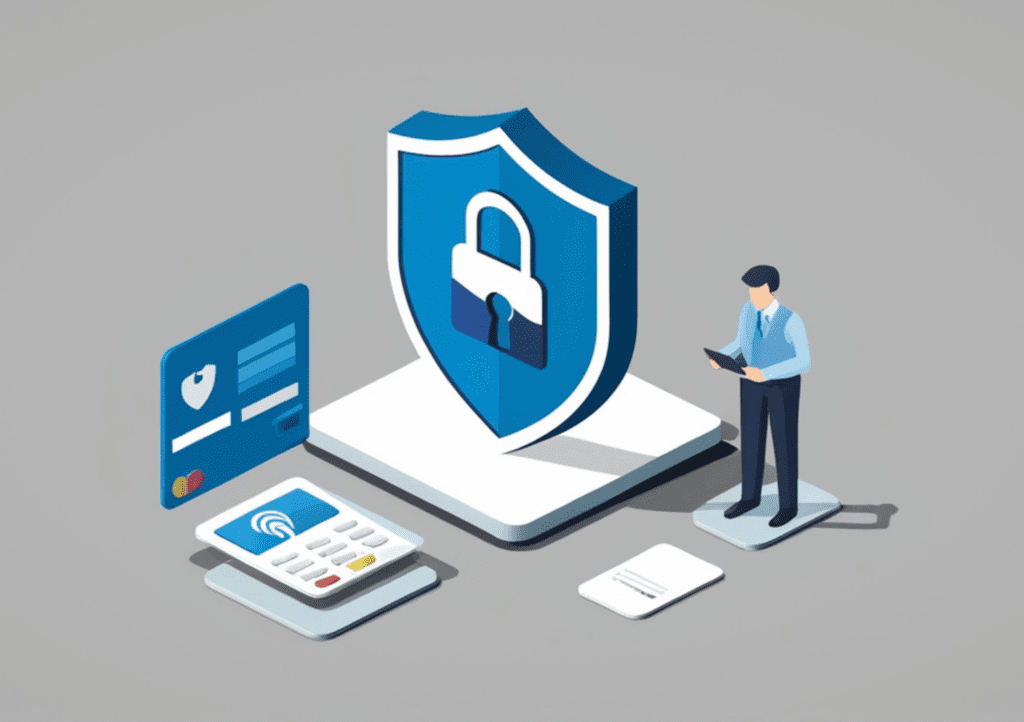
Cloud systems typically offer:
- Encrypted data storage
- Automatic backups
- Secure data centres
- Disaster recovery protection
For many retailers, cloud storage significantly reduces risk.
4. Scalability
If you’re planning to grow, scalability matters.
Traditional systems can require:
- Additional servers
- Expensive upgrades
- Complex installations
Cloud systems make it easier to:
- Add additional registers
- Open new locations
- Integrate online stores
- Expand product ranges
As your business evolves, your EPOS evolves with you.
5. Omnichannel Integration
Today’s retailers often sell both in-store and online.
Cloud-based systems allow:
- Real-time stock synchronisation
- Centralised reporting
- Unified customer data
- Click & collect functionality
Traditional systems often require third-party workarounds to achieve the same result.
6. Cost Structure
Traditional systems often involve:
- Higher upfront hardware investment
- Server maintenance costs
- Upgrade fees
Cloud systems typically operate on:
- Predictable monthly subscription models
- Lower upfront costs
- Reduced IT infrastructure requirements
For independent retailers, this can improve cash flow and budgeting clarity.
When Might a Traditional System Still Work?
There are scenarios where a traditional system may still be appropriate:
- Very small operations with minimal reporting needs
- Retailers in areas with unreliable internet (though offline modes now exist in many cloud systems)
- Businesses resistant to subscription-based pricing
However, these cases are becoming increasingly rare as connectivity and cloud reliability improve.
Why More Independent Retailers Are Moving to Cloud
In 2026, retail moves quickly. Owners need:
- Real-time insight
- Operational efficiency
- Remote oversight
- Seamless integrations
- Future-ready technology
Cloud-based EPOS systems are designed around these needs. The shift isn’t just about technology – it’s about control, clarity, and confidence.

How Datascan Supports the Transition
Moving from a traditional EPOS to a cloud-based system can feel daunting – but it doesn’t have to be.
At Datascan, we:
- Assess your current setup
- Manage data migration
- Install and configure hardware
- Provide staff training
- Offer ongoing retail support
As a trusted partner of Lightspeed, we help retailers implement solutions that match their business size, sector, and growth plans.
Final Thoughts
Traditional EPOS systems served retailers well for many years. But today, cloud-based solutions offer:
- Greater flexibility
- Stronger security
- Better reporting
- Easier scalability
- Improved omnichannel capabilities
For independent retailers looking to stay competitive in 2026 and beyond, cloud technology isn’t just a trend – it’s a strategic advantage.
